


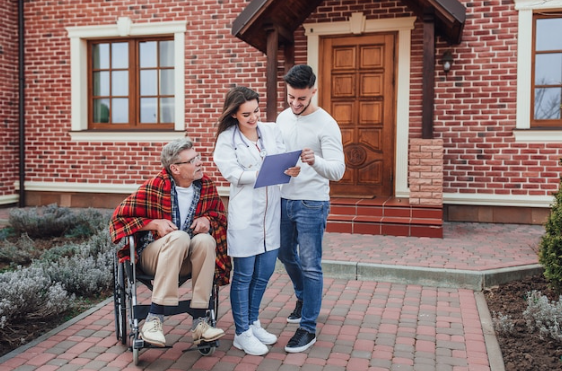
The landscape of nursing home ownership and investment is complex and often filled with challenges. This is where the expertise of a nursing home broker becomes essential. A nursing home broker acts as a vital intermediary in the buying and selling processes, ensuring that both parties navigate the transaction with clarity and confidence. Understanding the essential role of a nursing home broker is critical for anyone involved in facility transactions.
1. Expertise in the Market
A nursing home broker possesses specialized knowledge that is crucial for navigating the intricacies of the nursing home market. They understand the various factors that influence the value of a facility, including occupancy rates, local demands, and regulatory conditions.
This expertise enables them to provide accurate valuations and insights that help clients make informed decisions. For both buyers and sellers, this market knowledge is invaluable in understanding current trends and making competitive offers.
2. Facilitating Smooth Transactions
The process of buying or selling a nursing home involves numerous steps, including negotiations, paperwork, and due diligence. A nursing home broker streamlines these processes by managing all the logistical details. They handle confidential marketing, identify qualified buyers, and ensure that all legal requirements are met.
By coordinating between all parties involved—owners, potential buyers, and regulatory agencies—a nursing home broker helps to facilitate a smooth transaction that minimizes disruption to daily operations and enhances the overall experience.
3. Ensuring Confidentiality and Discretion
Confidentiality is a critical aspect of nursing home transactions. Owners may be apprehensive about disclosing sensitive information to potential buyers, fearing it could impact their business. A nursing home broker employs discreet marketing strategies and pre-qualifies buyers to protect this confidentiality.
By ensuring that sensitive information is shared only with serious, vetted buyers, the broker helps maintain the trust of staff, residents, and stakeholders during the sale process.
4. Enhancing Value Through Consultation
Another essential role of a nursing home broker is to provide consultation services that enhance a facility’s market value. They can advise owners on necessary operational adjustments, financial documentation, and compliance improvements that may increase the attractiveness of the nursing home to potential buyers.
This consultative nature means that brokers are not solely interested in closing a deal; they also focus on ensuring that the facility achieves maximum value, which is beneficial for both sellers and buyers.
5. Navigating Regulatory Requirements
The nursing home industry is heavily regulated, which can make transactions complicated. A nursing home broker is well-versed in these regulations and can guide clients through the compliance requirements necessary for successful transactions.
They help ensure that all legal aspects, including licenses and certifications, are in order before finalizing a sale. This expertise alleviates the burden of regulatory concerns for both parties and promotes a safer, more transparent transaction environment.
Conclusion
In conclusion, the essential role of a nursing home broker in facility transactions cannot be overstated. They bring expertise in the market, facilitate smooth transactions, ensure confidentiality, consult on enhancing value, and navigate regulatory complexities.
For anyone involved in the buying or selling of a nursing home, partnering with a skilled nursing home broker can significantly improve the likelihood of a successful transaction. Their comprehensive support not only simplifies the process but also adds substantial value to the overall endeavor, ultimately benefiting all parties involved.