


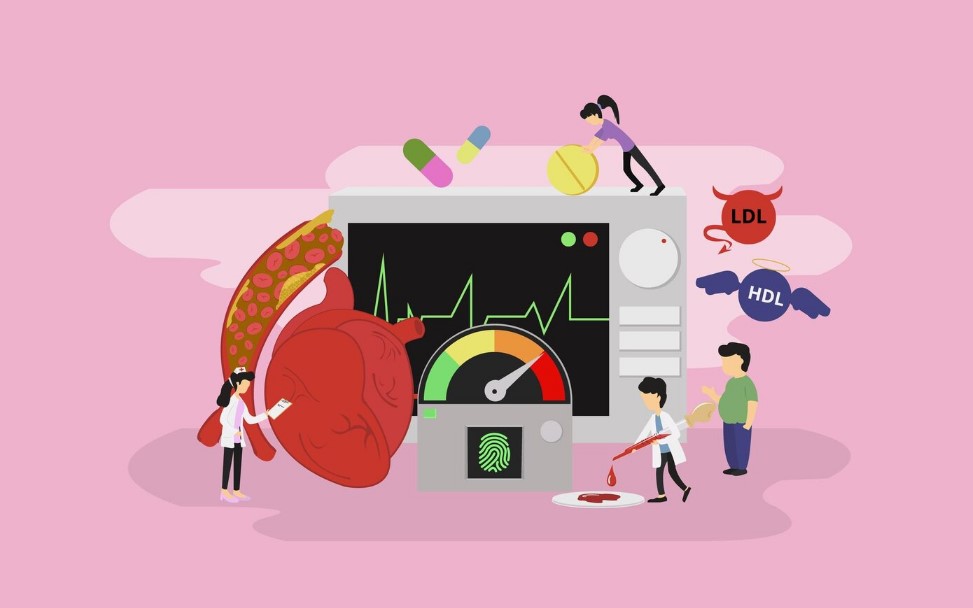
While cholesterol is necessary for the body to operate normally, too much of it in the blood might raise the risk of major cardiovascular issues. Even while the body needs cholesterol to synthesize vitamin D, sustain cell membranes, and produce hormones, an improper balance may lead to plaque accumulation within arteries. Protecting cardiovascular health requires an understanding of the connection between heart disease and cholesterol. People may assess their cholesterol levels, pinpoint possible risk factors, and create effective plans for preserving a healthy heart by seeing a cardiologist Denver, Colorado.
Knowing The Different Types Of Cholesterol
The liver naturally produces cholesterol, a waxy material that may be found in certain foods. It moves through the circulation bound to lipoproteins, which are proteins. Distinct lipoprotein types have distinct effects on cardiovascular health.
Low-density lipoprotein (LDL) cholesterol, also known as “bad cholesterol,” causes fatty deposits within the walls of arteries. Over time, these deposits may restrict blood flow and increase the risk of cardiovascular problems.
High-density lipoprotein (HDL) cholesterol is commonly referred to as beneficial cholesterol since it helps return excess cholesterol from the circulation to the liver for processing. However, heart disease protection is not always implied by higher HDL levels.
Another significant kind of blood fat is triglycerides. Increased risk of heart issues may be indicated by elevated triglyceride levels, especially when coupled with other cardiovascular risk factors.
The Link Between Heart Disease And High Cholesterol
High cholesterol aggravates atherosclerosis, a condition that develops when fatty deposits accumulate along the inner walls of arteries. Eventually, these deposits transform into plaques, which can constrict blood vessels and diminish the flow of blood to critical organs.
The heart muscle may not get enough oxygen when coronary arteries constrict, especially during physical exercise. Breathlessness, chest pain, and other signs of coronary artery disease may result from this.
When a plaque bursts and causes a blood clot to develop, more severe issues may arise. A clot may abruptly stop blood flow, which might lead to a heart attack. Crucially, artery damage caused by cholesterol may last years without any obvious symptoms.
Variables Affecting Cholesterol Levels
Cholesterol levels are influenced by a number of medical, genetic, and lifestyle variables. LDL cholesterol may rise as a result of diets high in trans and saturated fats. Unfavorable cholesterol patterns may also be caused by smoking, being overweight, and engaging in little physical exercise.
Genetics may have a big impact. Some people are born with familial hypercholesterolemia, a disorder that raises cardiovascular risk from a young age and results in abnormally high LDL cholesterol levels.
Cholesterol metabolism may also be impacted by illnesses such as renal disease, hypothyroidism, and diabetes. It is easier for medical experts to suggest appropriate preventative actions when they are aware of these relevant variables.
Understanding The Value Of Cholesterol Testing
Since high cholesterol often has no symptoms, routine blood testing is essential for an early diagnosis. A lipid panel is employed to evaluate triglycerides, total cholesterol, LDL cholesterol, and HDL cholesterol.
Together with other cardiovascular risk factors, such as age, blood pressure, diabetes, smoking history, and family medical history, these findings are interpreted by medical professionals.
Consult a cardiologist in Denver, Colorado, for a thorough cardiovascular evaluation if you have several risk factors. Further testing may assist in ascertaining if cholesterol has contributed to vascular disease, depending on individual health conditions.
Changing Your Lifestyle To Control Your Cholesterol
Maintaining a healthy lifestyle may greatly enhance cholesterol control and promote heart health. LDL cholesterol may be lowered by substituting unsaturated fats, which are included in nuts, seeds, olive oil, and fish, for saturated fats.
Increasing consumption of soluble fiber from fruits, vegetables, beans, and oats may help lower cholesterol. Frequent exercise improves cardiovascular fitness and helps control a number of related risk factors.
Other advantages include abstaining from tobacco, keeping a healthy weight, and using alcohol in moderation. Temporary food restrictions are often less successful than long-term lifestyle changes.
Conclusion
Controlling cholesterol is crucial to preventing cardiovascular disease. Heart attacks and coronary artery disease are more likely when arteries are progressively damaged by elevated LDL cholesterol. Frequent screening, a healthy diet, exercise, and the right medical care may all help lower these risks. Individualized advice for controlling cholesterol and promoting long-term cardiovascular health may be obtained by consulting a certified cardiologist in Denver, Colorado.